Project Description
Category: Landscape Planning and Analysis
Award: Chapter
Project Name: Bergen Arches Feasibility Study
Entrant: Supermass Studio
Analysis Bergen Arches Feasibility Study
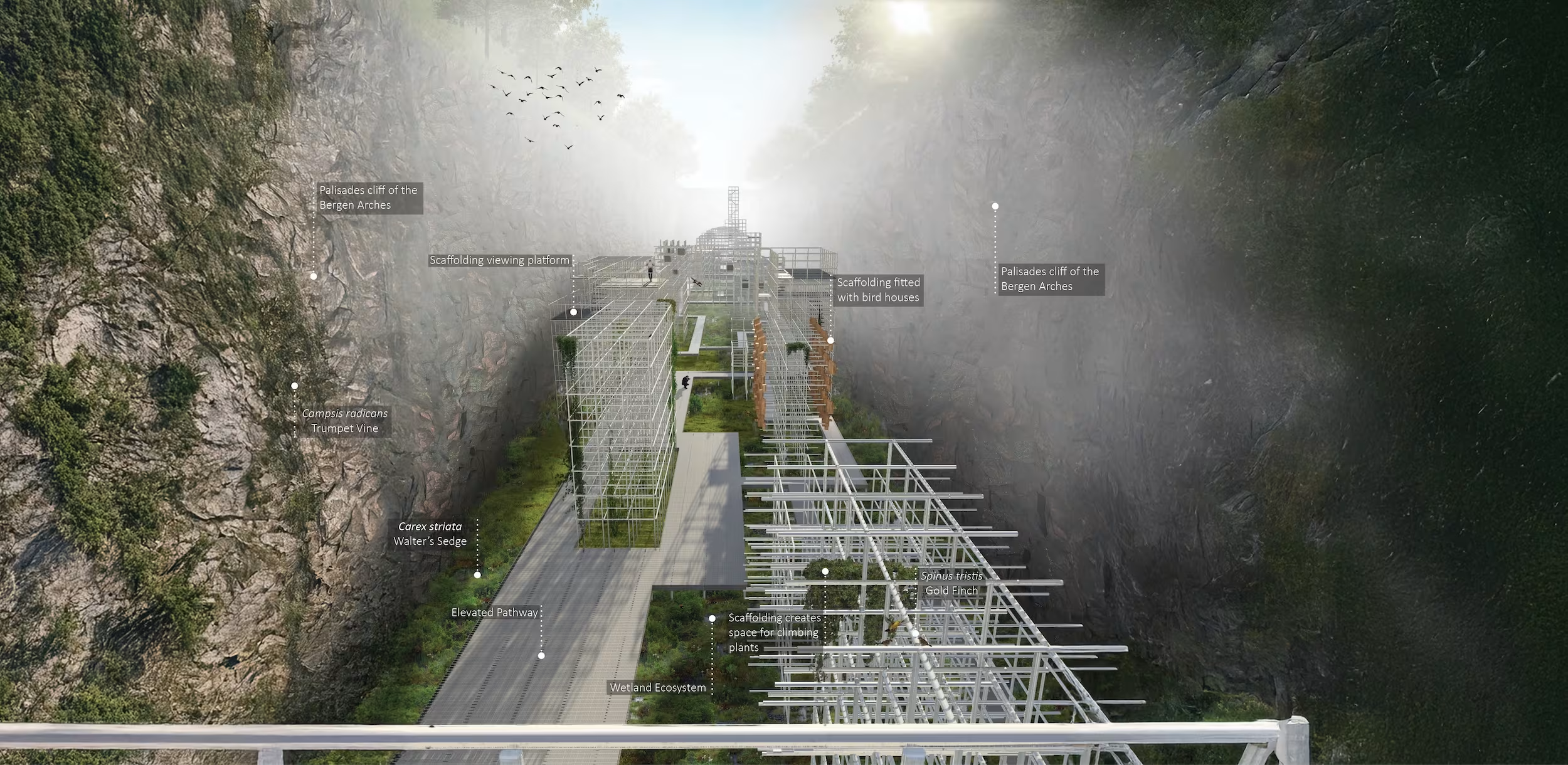
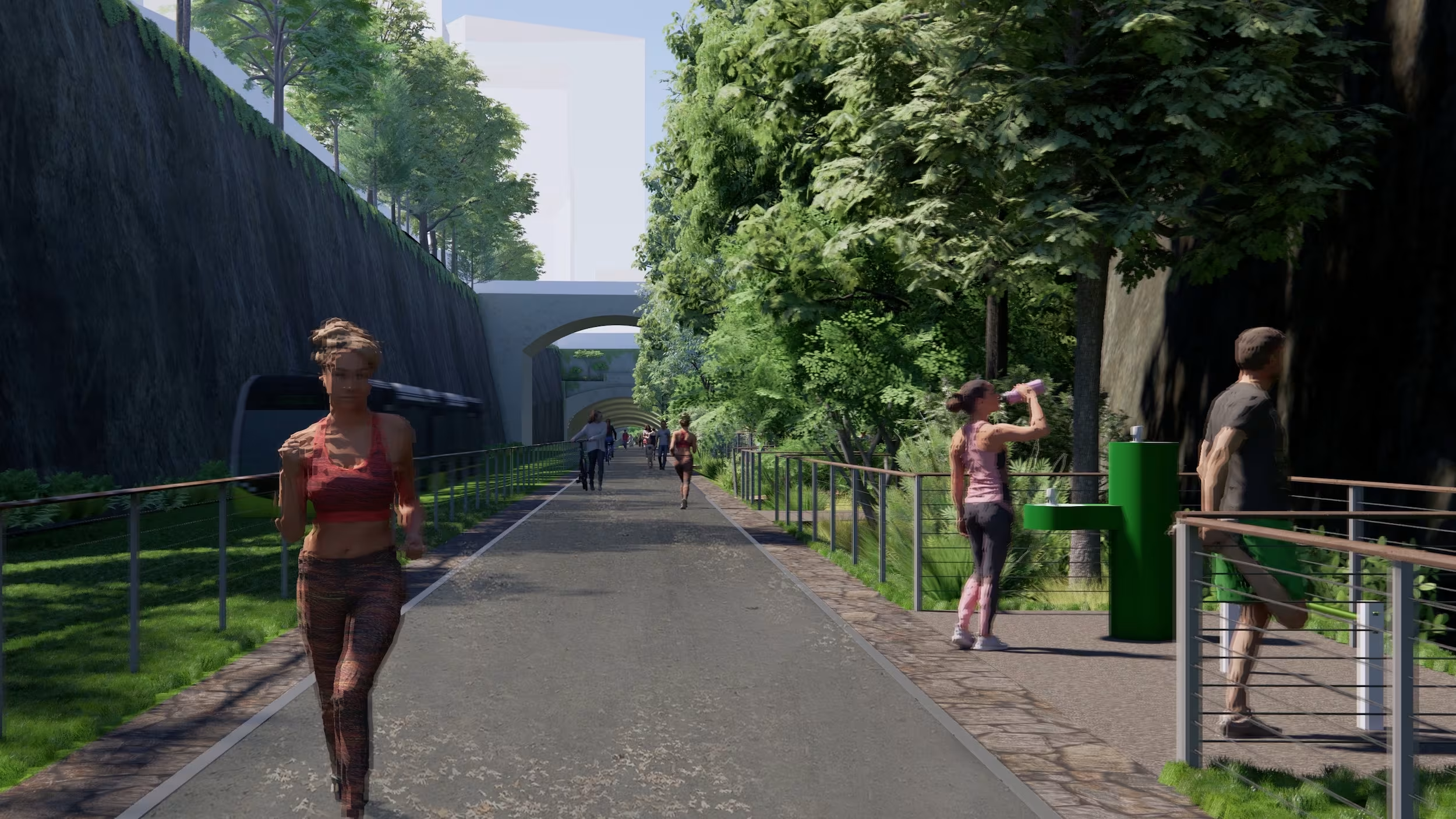
The Bergen Arches is a 60 feet wide, 40 to 70 feet deep, three-quarter-mile long trenched and abandoned railway corridor with numerous overhead bridges and tunnels in Jersey City. Excavated out of blue rock, it was originally constructed by the Erie Railroad at the turn of the 20th century to connect its main lines west of Jersey City to the Hudson Riverfront directly across from Manhattan. The Department of Infrastructure of the City of Jersey City commissioned the Bergen Arches Feasibility Study and solicited an investigation of the Bergen Arches as a greenway and transit corridor. The completed study represents a tangible and validating step out of many towards realizing a one-of-a-kind greenway and transit corridor through the city. When realized, the Bergen Arches can serve the city in many ways, including providing ways to engage nature as an urban forest, providing recreational opportunities as a park, enhancing mobility as a transit way, and connecting people and neighborhoods as a community resource.
As prime consultant, the landscape architect worked with a team of civil, structural, geotech and transit engineers, lighting designers, and architects to lead the study and develop an overall framework plan which accommodates a transitway, offers various programming opportunities and amenities along the greenway, and provides safe access for the public. Over the course of the project, the project team also coordinated with the city to host three public open houses to provide a forum for community visioning, dialogue, and discussion. The feasibility study included an existing conditions assessment documenting major ecological and physiographic conditions along the corridor, a preliminary structural assessment of the tunnel and bridges, as well as a review of the local urban context.
The framework plan articulates a broad vision and a set of guiding principles for the greenway and establishes a roadmap for future planning and design phases, including its eventual integration into a larger city and regional greenway and transit network. The plan also included a preliminary maintenance assessment, phasing strategies, regulatory requirements, and a grant and funding strategy. The greenway design and alignment, including the tunneled portions, are responsive to the unique site conditions found in the Bergen Arches.
Preserving the innate natural and ecological qualities of the Bergen Arches overwhelmingly favored by the local community while adapting it for use as a public greenway and transit corridor is a unique challenge for the project. The project outlines an immediate and longer term vision of preservation, restoration, and phytoremediation strategies that balance the desire for nature preservation, the need for safe ground remediation in a contaminated environment, and the need to restore degraded ecological environments that have been overrun by invasive flora with ecologically valuable flora that can promote a healthier and more biodiverse greenway and transit corridor for the future.