Project Description
Category: Student Entries
Award: Merit
Project Name: Wetland Lines
Entrant: Celin Shambora
Hudson Yards, NYC
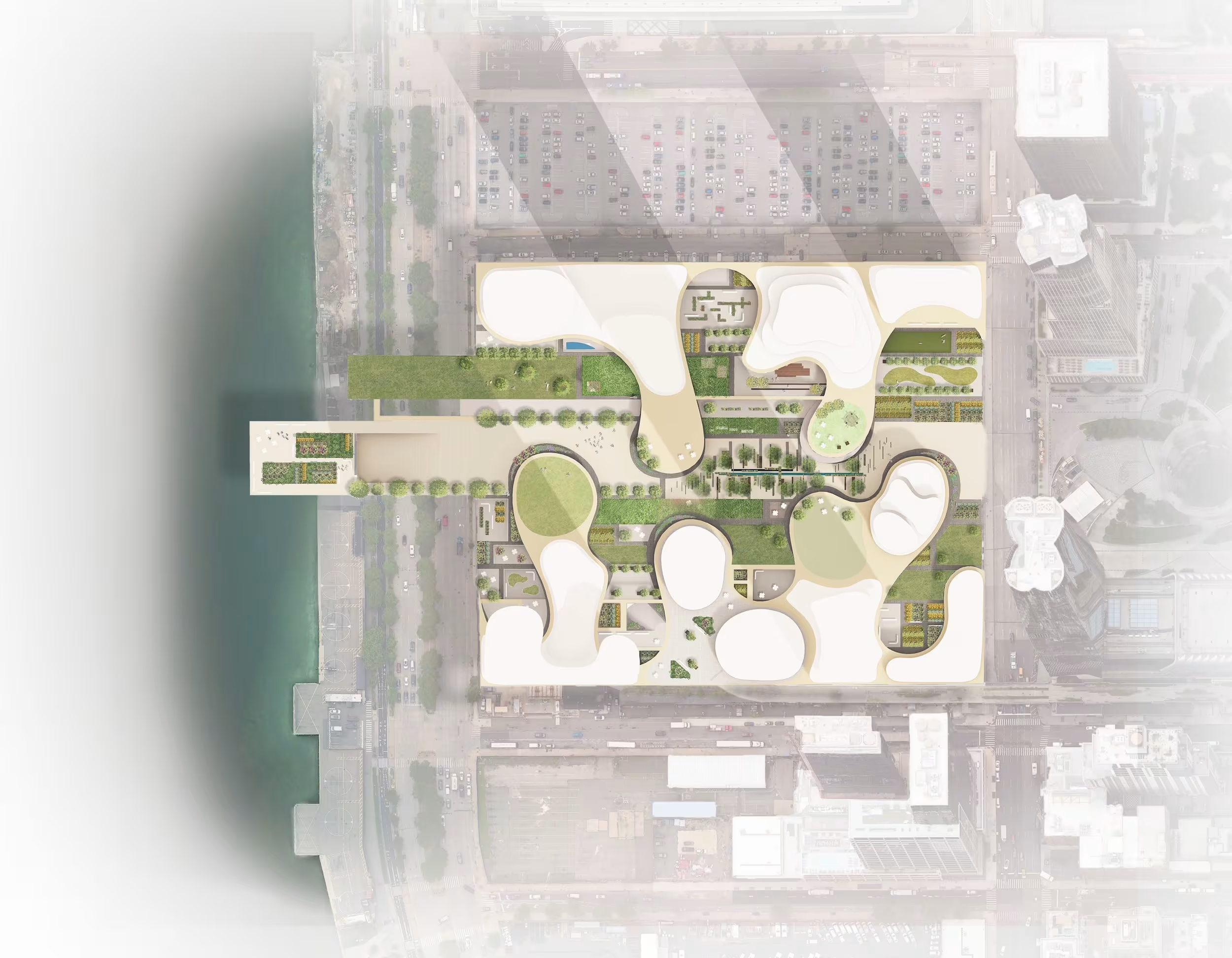
The project explores the dialogue between the industrial history of the Hudson Yards rail yard and the organic character of New York City’s lost wetlands. The design was inspired by the contrast between the rigid, parallel lines of the trains and the irregular, fluid shapes of the Vessel’s landscape on the east side. This relationship between order and irregularity is the foundation of this design intent. To merge the geometric precision of infrastructure with the natural vitality of wetlands.
The concept reverses New York’s typical architectural hierarchy, where buildings are geometric and landscapes are organic. In this design, the architecture becomes fluid and irregular, while the landscape is structured and linear, defined by the parallel and perpendicular lines of the trains. This reversal not only redefines the site’s visual identity but also challenges perceptions of how built and natural systems interact in an urban environment.
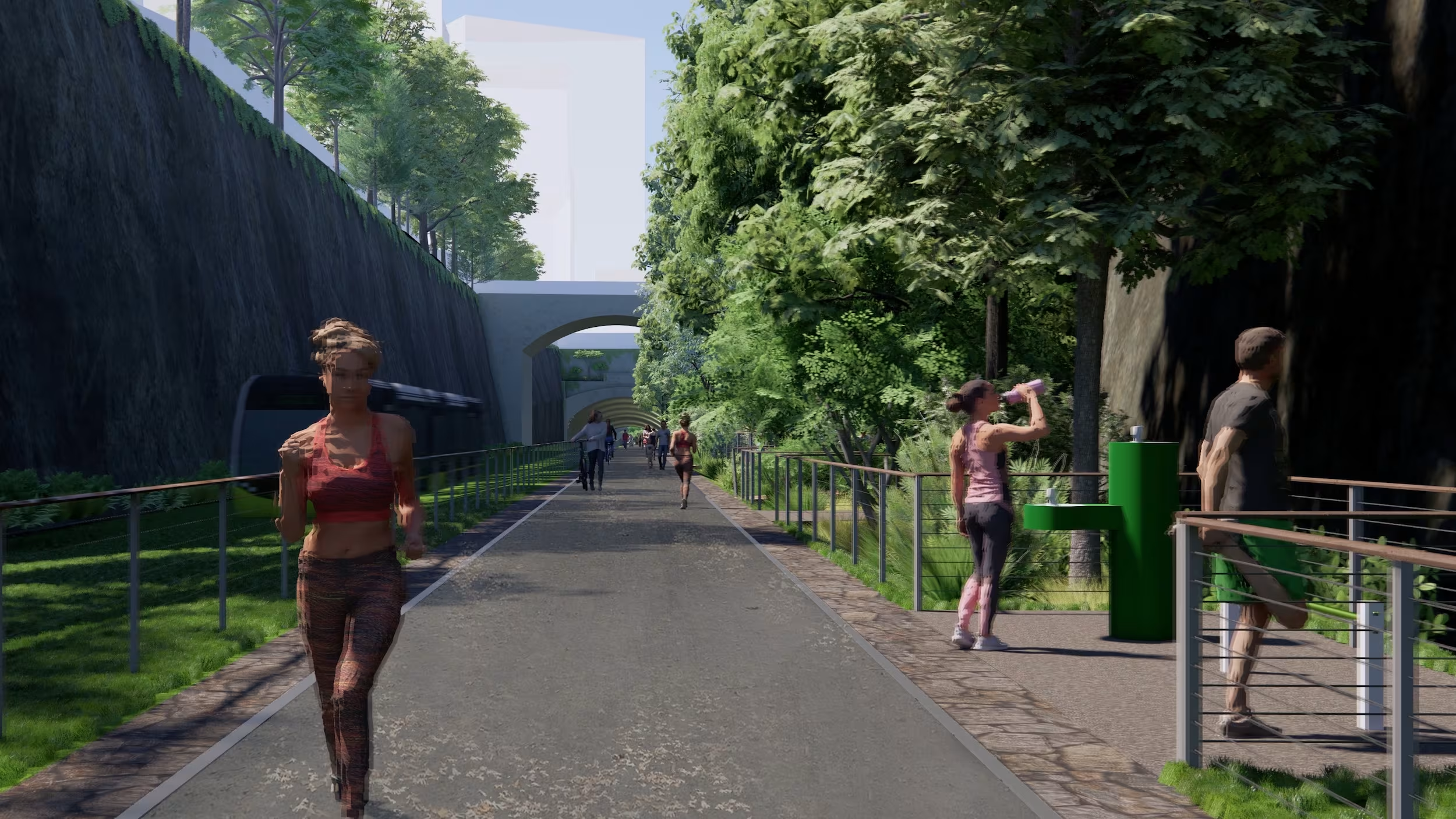
From a plan view, the landscape appears composed and geometric. However, the experience becomes more immersive and textured as visitors move through the site. Plantings vary in height and density but maintain linear arrangements that recall the train tracks below. Some rectangular landscape elements rise into shaded seating areas or grassy mounds, offering structure and softness. Overhead, the furniture and paths mimic the geometry of rail lines, while on the ground, they take on wave-like, sculptural forms that evoke motion and flow.
The project required residential, educational, and public uses across 28 acres, totaling approximately 185,000 square feet of built area. This includes six residential lobbies (12,500 SF each), three restaurants (5,000 SF each), six small cafes or retail spaces (2,500 SF each), a school (30,000 SF), a grocery store (40,000 SF), and a pharmacy (10,000 SF). The residential buildings are distributed throughout the site to allow open views and pedestrian access, while the school is placed near the road for convenient circulation. Elevated walkways connect the second floors of buildings, providing terraces that link to the High Line and riverfront views.
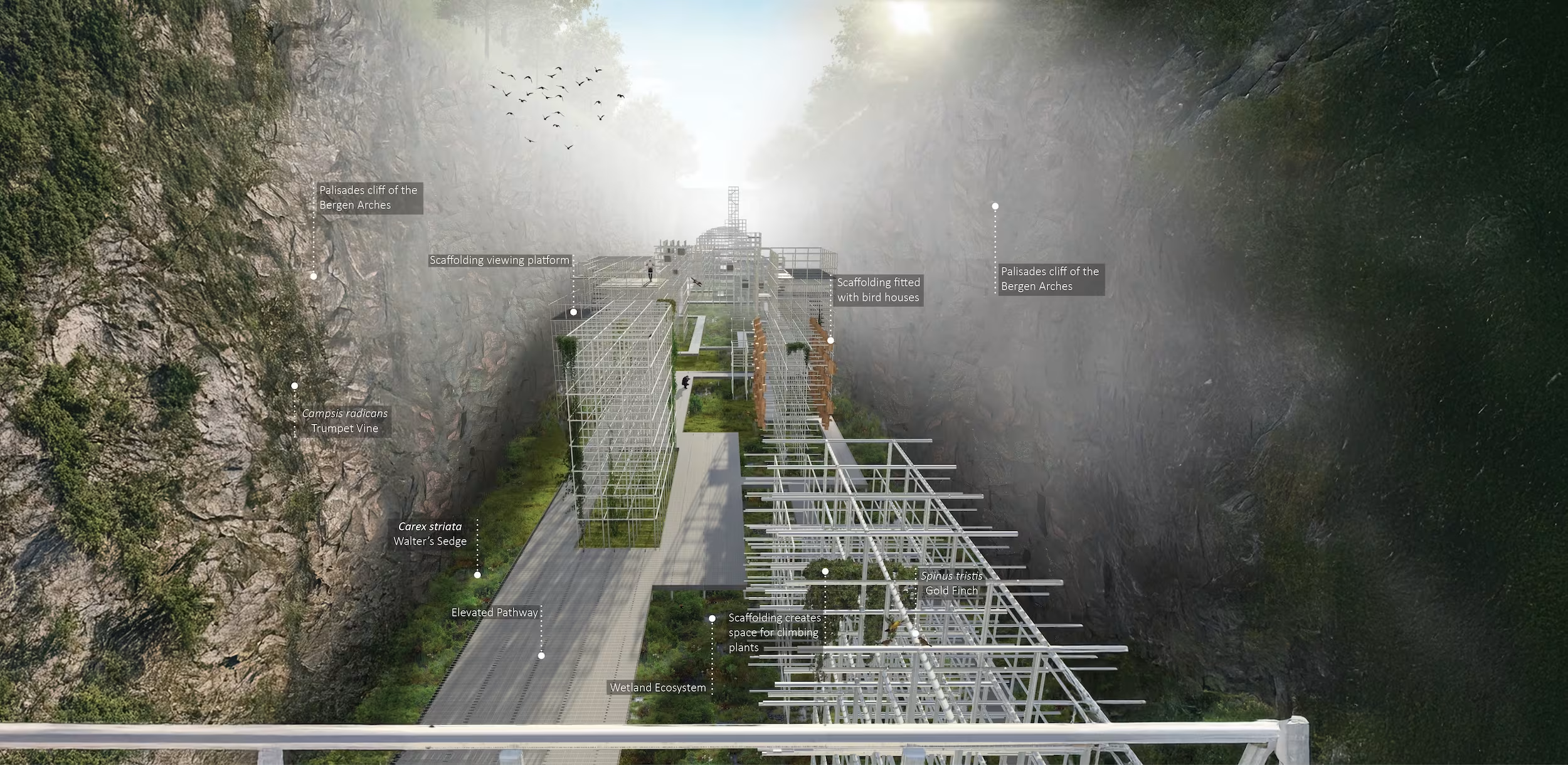
One of the main challenges was creating a space that could serve residents and visitors while still feeling cohesive. Building green space over an active rail yard added another layer of complexity, as did organizing circulation for cars, cyclists, and pedestrians. The design responds through a precise layering of public and private zones, such as quiet courtyards and gardens, that offer moments of retreat for residents. At the same time, larger open plazas invite gathering and movement. A capping structure supports native vegetation and integrates stormwater systems through bioswales and constructed wetlands, reconnecting the site to its ecological roots.
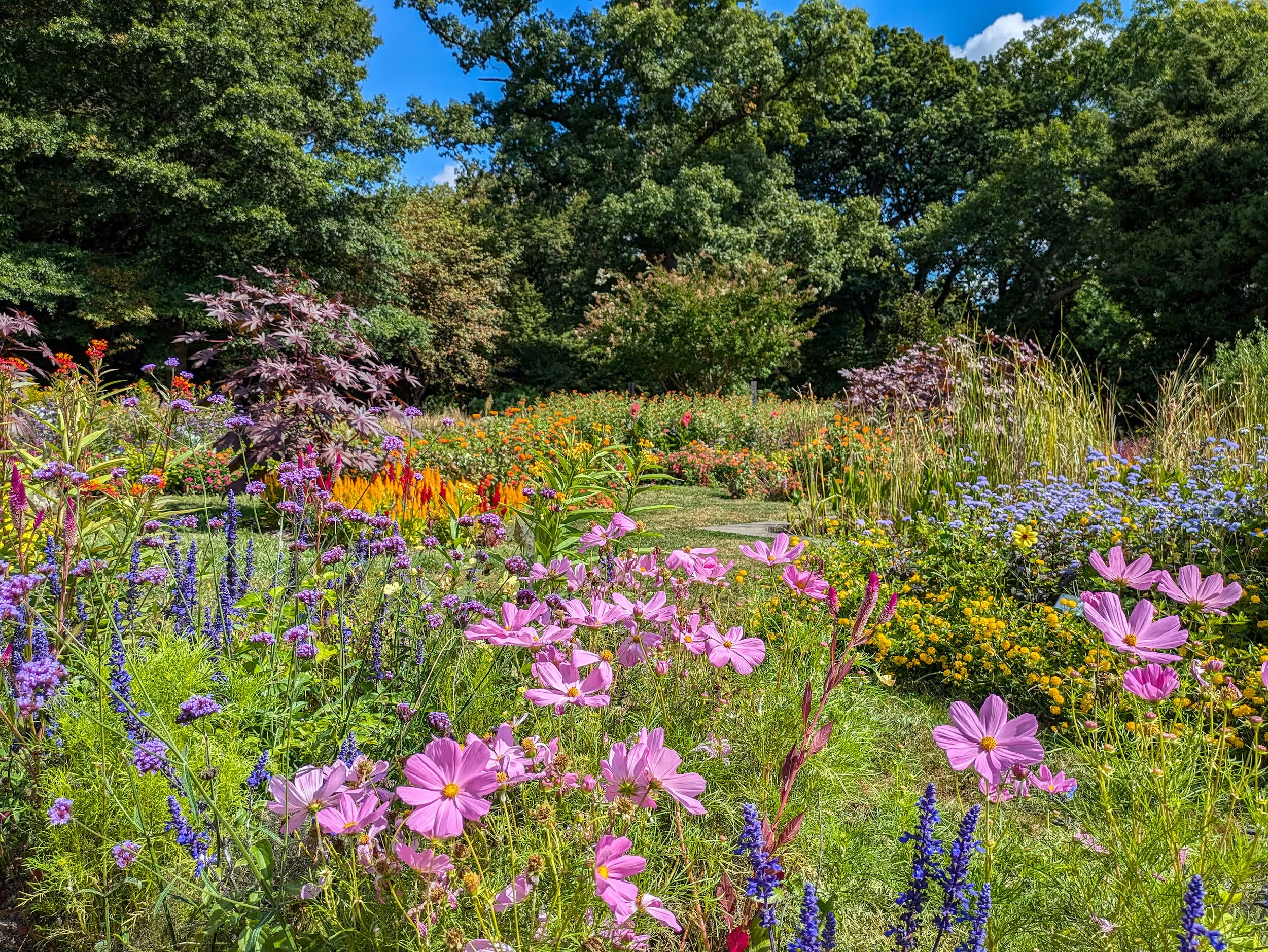
The planting palette features tolerable, native species along the High Line, continuing the visual and ecological aspects. Linear paving, steel edges, and concrete bands reference the industrial rail patterns while complementing the fluid architectural forms.
By transforming infrastructure into experience, the design reveals the city’s industrial and ecological history while envisioning a greener, more resilient future.